
Tourism, when conducted responsibly, is a powerful tool to support sustainability. In Lapland, the intersection of tourism and environmental stewardship is particularly important. This Arctic region, known for its pristine landscapes, vibrant wildlife, and indigenous Sami culture, provides a compelling case for how tourism can drive sustainable development while preserving natural and cultural heritage.
1. Tourism Supports Conservation Efforts
Tourism generates essential revenue for the conservation of Lapland’s unique ecosystems. National parks like Pyhä-Luosto and Urho Kekkonen, frequented by visitors, benefit directly from entrance fees and eco-tourism initiatives. These funds are used to maintain hiking trails, support wildlife monitoring, and protect Arctic flora and fauna. Sustainable tourism also educates visitors about the importance of preserving Lapland’s delicate environment, fostering a global community of conservation advocates.
2. Encouraging Sustainable Practices
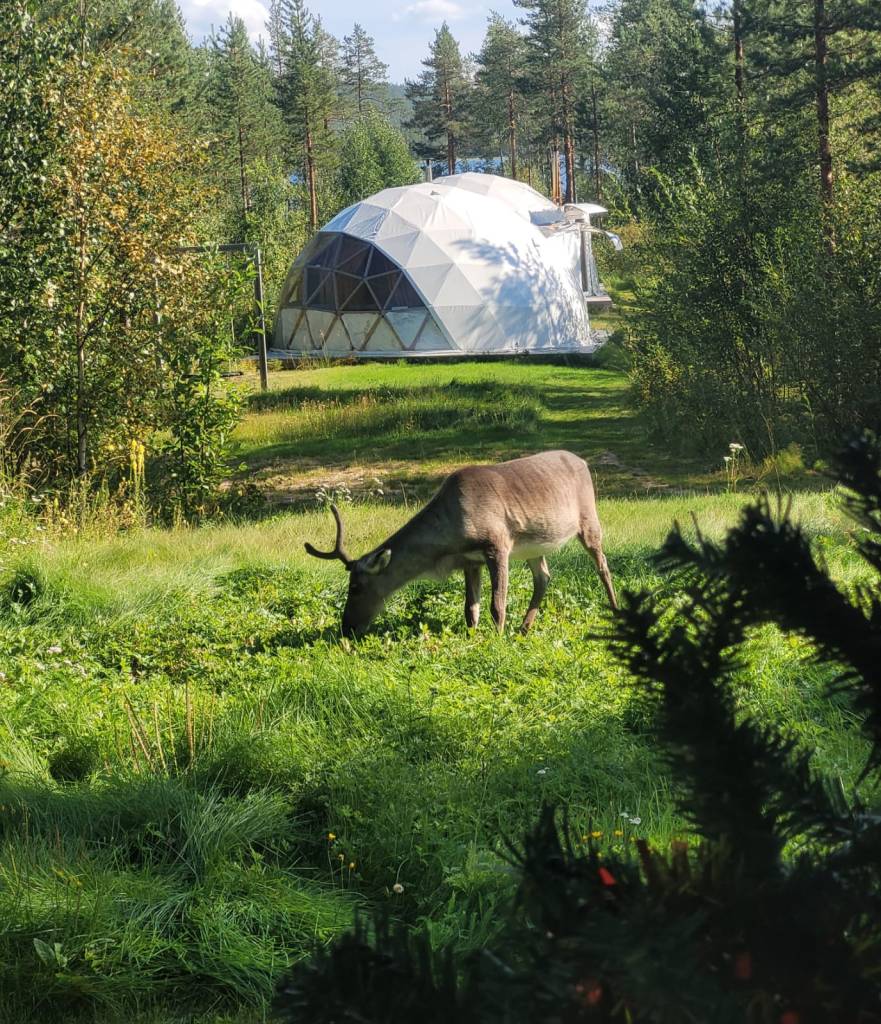
Eco-tourism in Lapland inspires local businesses to adopt sustainable practices. From the use of renewable energy to minimize carbon footprints to waste reduction and water conservation, the tourism sector incentivizes environmentally friendly operations. At Aurora Lounge Hotel – Pandomes Igloos, for example, we prioritize eco-conscious hospitality with our energy-efficient igloos and respect for the surrounding nature.
3. Supporting the Sami Culture
Lapland is home to the Sami people, the indigenous inhabitants of the Arctic. Sustainable tourism offers a platform to celebrate and preserve their traditions while providing economic opportunities. Activities like reindeer sledding, learning traditional crafts, and attending cultural festivals allow visitors to engage with the Sami way of life respectfully. This exchange fosters cultural appreciation and provides the Sami community with avenues for cultural preservation.

4. Offsetting the Impacts of Climate Change
Tourism can shine a spotlight on the urgent need to combat climate change, which has a profound impact on Lapland. By participating in eco-tourism and supporting local conservation efforts, visitors contribute to global awareness of environmental challenges, such as the melting of Arctic ice and shifting habitats of native species like reindeer and Arctic foxes.
5. Creating Economic Opportunities
Tourism is vital to Lapland’s economy, providing livelihoods for locals while encouraging the growth of eco-friendly infrastructure. This economic stability ensures that communities can invest in sustainable practices, whether in transportation, accommodation, or local crafts. By staying at eco-conscious establishments like Aurora Lounge Hotel, tourists play a role in strengthening this cycle of sustainability.
6. Promoting Sustainable Travel Choices
Responsible tourism educates travelers on reducing their environmental impact. Initiatives such as carbon offset programs for flights, supporting local businesses, and following “leave no trace” principles empower tourists to become active participants in sustainability. At Aurora Lounge Hotel, we provide resources and information to help our guests make eco-friendly choices during their Arctic adventure.
Final Thoughts
Sustainable tourism in Lapland is about more than enjoying breathtaking landscapes and witnessing the Northern Lights. It’s an opportunity to give back—to nature, to local communities, and to future generations. By choosing eco-conscious accommodations, respecting indigenous cultures, and learning about conservation, visitors can ensure that Lapland’s beauty and heritage are preserved for years to come.
Plan your sustainable journey with Aurora Lounge Hotel – Pandomes Igloos and join us in celebrating the harmony of nature and responsible travel.
 Aurora Lounge Hotel
Leave a comment